Durable Roofing Solutions importance
Lorem ipsum dolor sit amet, consectetur adipiscing elit. Sed varius tristique turpis nec tempor. Vivamus feugiat nec magna ac scelerisque. Aliquam et dapibus enim, non interdum dui. Duis id faucibus arcu. In porttitor purus enim. Etiam pulvinar nisi quam, in sagittis purus mattis vitae. Sed quis commodo enim.
Donec eget volutpat risus. Duis vestibulum ipsum libero. Sed facilisis mi nulla, eu mattis lorem maximus a. Suspendisse viverra tortor ac libero ultrices finibus. Praesent non diam eget diam rutrum auctor. Aliquam diam justo, volutpat ut turpis iaculis, faucibus commodo sem. Nulla molestie, velit et auctor varius, nunc est scelerisque ligula, tristique scelerisque justo orci a ex. Vestibulum at dictum sem. Duis imperdiet tempor risus sit amet auctor. Donec quis nunc quis velit pharetra semper in vel nulla. Donec augue nisi, auctor ornare quam eu, fringilla vulputate augue. Curabitur imperdiet tempor urna ac tincidunt. Pellentesque egestas consectetur elit, ut rutrum metus finibus ut. Quisque varius fermentum nisi vel porta. Praesent ultricies aliquam risus sed congue.
Roof maintenance plan
A roof maintenance plan is an essential part of keeping your home or commercial building in good repair. Regular maintenance can extend the life of your roof and prevent costly repairs or replacements in the future. Here is a roof maintenance plan that you can follow to keep your roof in top condition:
Inspect your roof regularly: It is important to inspect your roof at least twice a year, or after any major storms. Look for missing, damaged, or curled shingles, as well as any other signs of wear or damage. Pay particular attention to the areas around vents, chimneys, and flashing. If you are unable to safely inspect your roof on your own, hire a professional to do it for you.
If you notice significant damage to your roof or if you are unsure how to properly maintain it, it is best to hire a professional roofing contractor.
Remove leaves, twigs, and other debris from your roof regularly. These can trap moisture and cause damage to your roof. You can use a roof rake or a leaf blower to remove leaves and other debris from your roof.
Overhanging trees and branches can damage your roof, especially during wind and storms. Trim back any trees or branches that are close to your roof to prevent damage.
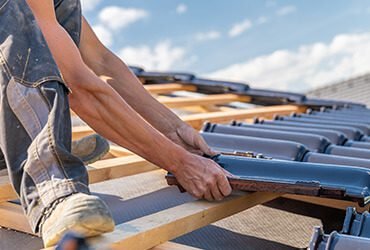
If you notice any damage to your roof, it is important to repair it as soon as possible to prevent further damage. This may involve replacing damaged shingles, repairing flashing, or sealing any gaps or cracks.
Proper attic ventilation is important for the health of your roof. It helps to prevent moisture build-up and reduces the risk of ice dams in the winter. Make sure your attic has proper ventilation to keep your roof in good condition.
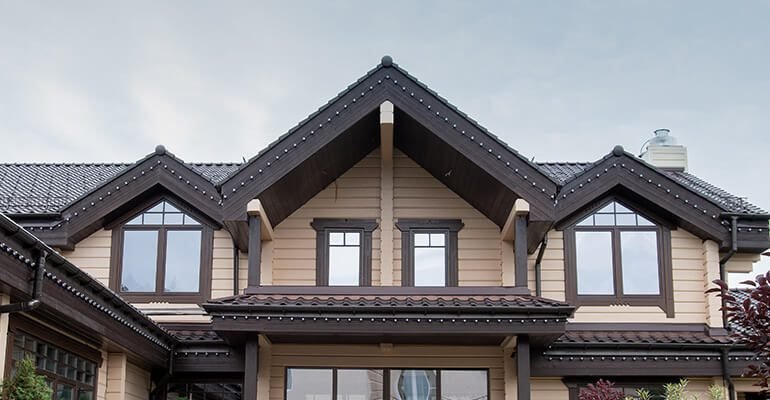
Installing the new Roofing
Systems by Experts
Installing a new roofing system can be a significant investment, but it is an important aspect of maintaining the integrity and value of your home or business. A new roof can provide improved protection against the elements, enhance the appearance of your property, and increase energy efficiency. In this article, we will discuss the process of installing a new roofing system, including the steps involved and the factors to consider.
Before installing a new roof, it is important to assess the condition of the existing roof. This may involve visually inspecting the roof for signs of damage or wear, such as missing shingles, leaks, or rot, and performing tests to identify any underlying issues. A professional roofing contractor can provide a comprehensive assessment of the roof and recommend the best course of action, whether it be repair or replacement.
Installing a new roofing system is a major undertaking, but it can provide significant benefits for the protection, appearance, and energy efficiency of your home or business.
There are many different types of roofing materials to choose from, including asphalt shingles, metal, tile, and rubber. Each material has its own unique set of benefits and drawbacks, and the right choice will depend on the specific needs and budget of your project.
Before installing a new roof, the roof deck must be prepared to ensure a solid foundation for the new roofing system. This may involve repairing or replacing damaged or rotten decking, adding additional insulation or ventilation, or installing a moisture barrier.
Once the roof deck is prepared, the new roofing material can be installed. This process will vary depending on the type of material being used, but typically involves laying down a base layer of material, such as underlayment or flashing, followed by the top layer of roofing material. It is important to follow proper installation techniques and use the right tools and equipment to ensure a secure and long-lasting roof.
To ensure the longevity and performance of your new roof, it is important to follow a regular maintenance and repair schedule. This may involve cleaning the roof, inspecting for damage, and making repairs as needed. A professional roofing contractor can provide guidance on the appropriate maintenance schedule for your specific roofing material and location.
Roofing and Energy efficiency
Energy efficiency is an important consideration when it comes to roofing, as the right roofing materials and design can help to reduce your energy costs and lower your carbon footprint. Here are eight key points to consider when it comes to roofing and energy efficiency.
Roof design: The design of your roof can impact its energy efficiency. Factors to consider include the slope and pitch of the roof, the direction it faces, and the type of materials used. A sloped roof that faces south can be more energy efficient, as it can help to capture solar energy and reduce the amount of heat entering the home.
Adequate ventilation is essential for a healthy and energy-efficient home. Proper ventilation helps to regulate the temperature and moisture levels in your attic, preventing issues such as mold, rot, and ice dams.
There are several types of roofing materials that are known for their energy efficiency, including metal, rubber, and reflective shingles. Metal roofing is a durable and energy-efficient option, as it reflects sunlight and heat, reducing the amount of energy needed to keep your home comfortable. Rubber roofing is also energy efficient, as it has a high thermal resistance and can help to keep your home cool in the summer. Reflective shingles are another energy-efficient option, as they reflect sunlight and heat, reducing the amount of energy needed to cool your home.
Proper insulation is also important for energy efficiency, as it helps to keep your home warm in the winter and cool in the summer. There are several types of insulation available, including fiberglass, cellulose, and spray foam, each with its own unique properties. Be sure to choose an insulation material that is appropriate for your home and to ensure that it is properly installed for optimal performance.
Adequate ventilation is essential for a healthy and energy-efficient home. Proper ventilation helps to regulate the temperature and moisture levels in your attic, preventing issues such as mold, rot, and ice dams. There are several different types of ventilation systems available, including static vents, wind turbines, and ridge vents.
There are several energy-efficient roofing products available on the market, including solar panels and cool roof coatings. Solar panels can help to generate electricity for your home and reduce your energy costs.